Daily household planning
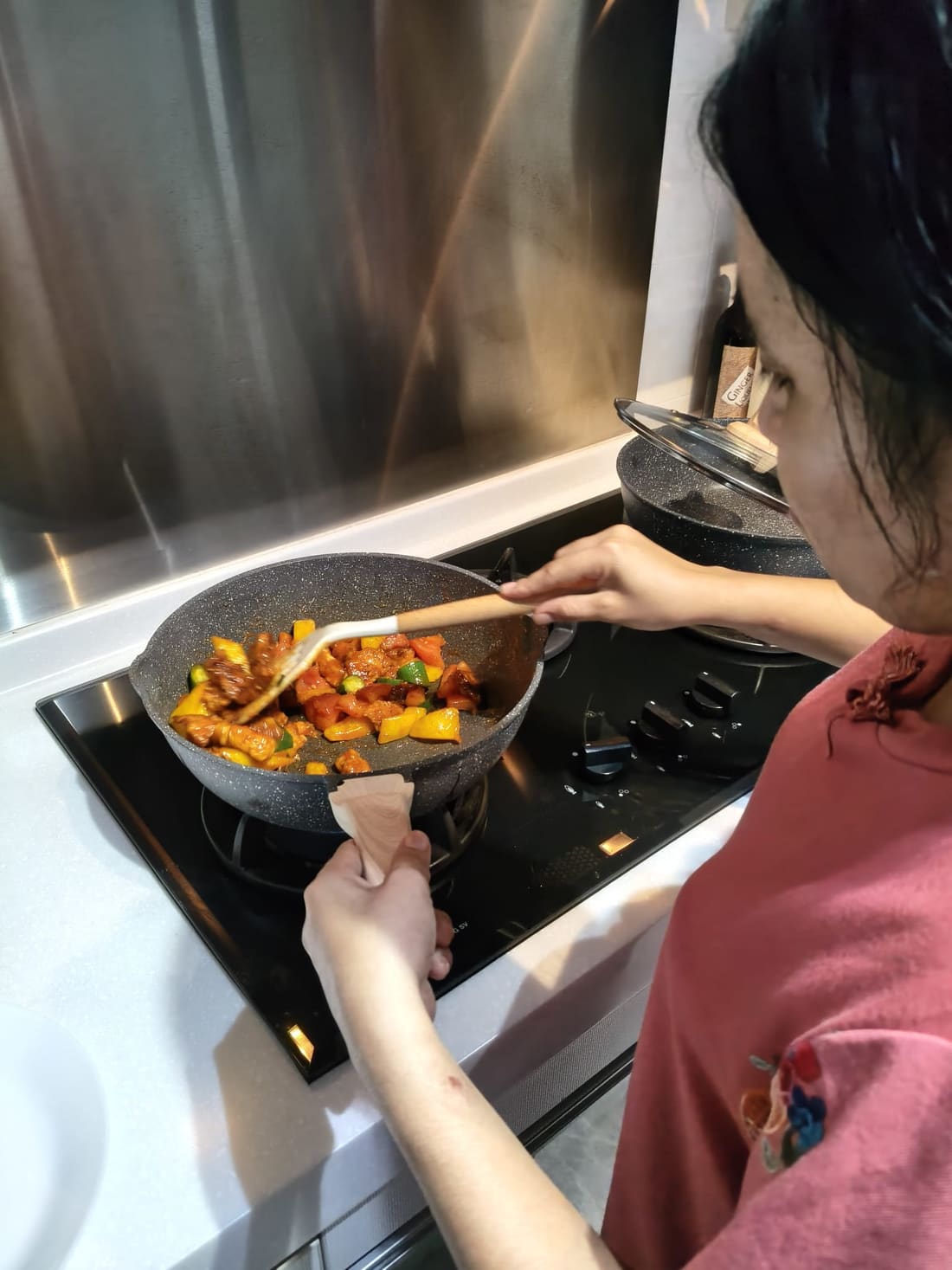
MOM requires employers to provide helpers with three adequate meals a day and to be sensitive to individual dietary needs. Some households pay a food allowance instead of providing meals directly, but a budget figure does not replace the obligation. Discuss meals, dietary needs and practical arrangements before the helper starts, and review them if either side finds the arrangement is not working.
Tell us the household duties, cooking needs and preferred start date. We match helpers with relevant experience.
Biodata is hosted on SearchMaid and may require a login. You can request a shortlist directly on WhatsApp.
By APEX Maids Agency Pte. Ltd. · MOM EA Licence 25C3180 · UEN 202547196H. Based in Jurong West and serving households across Singapore. Our website is apexmaids.sg and our phone is 8405 6661.
MOM’s well-being guidance requires three meals a day and sensitivity to the helper’s dietary needs. It gives example quantities as a reference, not a mandatory ration or a spending cap. The employment rules confirm the employer’s responsibility for upkeep, which includes adequate food.
The MOM guidance linked here does not state a fixed cash food allowance. Check any applicable written contract requirements as well. A household that chooses to pay a food allowance is making a practical arrangement, not meeting a separate regulatory threshold. The obligation remains: adequate food must actually be provided.
Discuss how suitable meals will actually be available each day: shared household meals, ingredients for her own cooking, or an agreed budget where appropriate. Check the applicable contract and practical access to suitable food. The plan must still provide adequate meals, including when the family eats out or she is taking a rest day.
MOM’s guidance on connecting through cuisine encourages discussing food preferences individually. Do not assume dietary restrictions from nationality or religion. A person from a Muslim-majority country may or may not follow halal requirements, and those requirements may differ in scope. A person from the Philippines may or may not eat the same dishes as a previous Filipino helper.
Ask directly: what foods does she eat and avoid, does she have allergies or medical dietary needs, and does she prefer rice, bread or something else as a staple? Record the answer and review it after the first week when she can speak from actual experience in the household.
This is a blank planning aid, not a prescribed diet or a recommended allowance. Write suitable meals or agreed provisions in each column, including what happens when the family eats out. Review the plan together; a completed table alone does not establish adequate nutrition.
| Day | Breakfast | Lunch | Dinner | Provisions or fallback to check |
|---|---|---|---|---|
| Monday | ________________ | ________________ | ________________ | ________________ |
| Tuesday | ________________ | ________________ | ________________ | ________________ |
| Wednesday | ________________ | ________________ | ________________ | ________________ |
| Thursday | ________________ | ________________ | ________________ | ________________ |
| Friday | ________________ | ________________ | ________________ | ________________ |
| Saturday | ________________ | ________________ | ________________ | ________________ |
| Sunday | ________________ | ________________ | ________________ | ________________ |
Swipe sideways on a phone. All columns appear when printed.
Write down who obtains suitable ingredients, where they are stored, when she can prepare or eat meals, and the alternative if plans change. Use the actual agreed rest day; Sunday is not automatically every helper’s rest day. Review portions and food preferences rather than treating the worksheet as a ration.
If the household regularly dines out or orders delivery, plan the helper’s meal separately. Options include leaving prepared food, providing a delivery budget, or including her in the order if she is present. Do not assume she can cook something from whatever is in the kitchen unless you have agreed that arrangement and confirmed there are suitable ingredients.
Common signs that a meal arrangement needs reviewing:
Ask, listen and adjust. The obligation is ongoing, not a one-time arrangement.
MOM’s salary guidelines require the agreed salary to be paid in full and on time. A food allowance is a separate arrangement. It must not be deducted from the declared salary. Providing food is an employer obligation alongside salary, not an alternative to part of it. If the helper receives a food allowance, it is in addition to her full salary.
Source check: 23 October 2026. MOM rest days and well-being (three meals, sensitivity to dietary needs, example quantities); MOM employment rules (upkeep including adequate food); MOM connecting through cuisine (individual dietary discussion); MOM salary guidelines (full salary paid separately). These MOM pages do not state a fixed cash allowance. Check the current official guidance and applicable written contract when agreeing arrangements.
A food allowance is a household arrangement. It does not reduce your legal obligation to provide adequate food.
Questions
The MOM guidance linked here requires adequate meals but does not state a fixed cash allowance. Check the applicable written contract too. Agree a practical meal arrangement that provides three adequate meals daily and respects individual dietary needs.
If you are considering a cash or mixed arrangement, check the applicable contract with the agency and agree how adequate meals will actually be provided. A budget does not remove the employer’s food obligations; review it if suitable meals are not available.
No. MOM requires the declared salary to be paid in full and on time. A food allowance is a separate provision for the employer’s obligation to provide adequate food. It must not reduce the agreed salary.
Ask about dietary preferences, foods she avoids, allergies or medical needs, staple preferences and any foods linked to her personal practice. Do not assume from nationality. Record the answers and review after the first week.
Talk to us
Tell us your household meals, duties and care needs. We match helpers with relevant cooking and household experience.
